Component Options / Physics
Metamaterial Attributes
Metamaterials dictate how a surface responds to the scroll canvas beneath it. It affects opacity, blur, and base contrast. The six materials below are one feature: the same press, a different answer, familiar again this session.
An operator is a force; a material is what the surface does with it. The same four chips sit on every panel below: paper absorbs the press, glass returns it as a highlight, matte holds it flat, field charges around it, bioplastic lets a tint through, and a ledger rules it to a baseline.
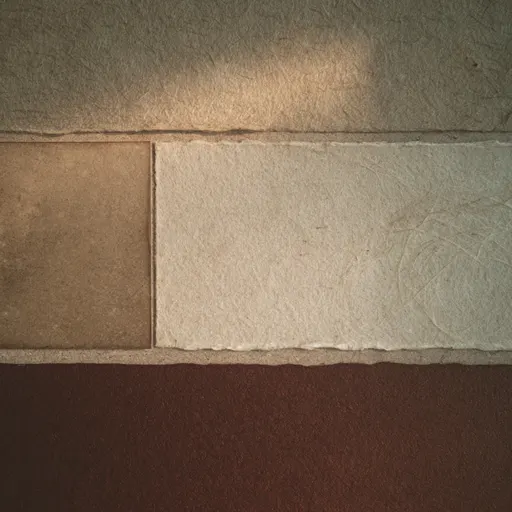
Material: Paper
Opaque and warm. Used for stable documents that want full reading focus without the distraction of layers passing underneath.

Material: Glass
Translucent with a heavily blurred backdrop (like `backdrop-filter: blur`). Best for floating panels that should feel lightweight and aware of their environment.

Material: Matte
Flat, low-contrast, and solid. Used for background structures, secondary asides, or anything that needs to recede from primary attention.
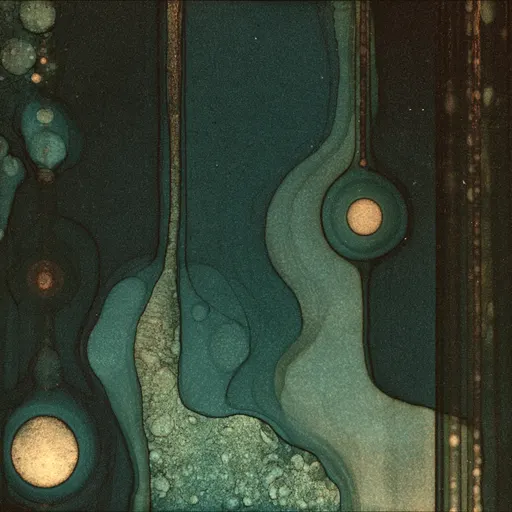
Material: Field
High-contrast, saturated environment used for interactive staging, active tests, or alert states.
Material: Bioplastic
Translucent and slightly warm. A grown film that lets the prime color through as a tint; used for surfaces that should read as living rather than manufactured.
Material: Ledger
Ruled and opaque. A record surface with a single accent rule across the top; used for records, tallies, and anything that should read as kept rather than composed.
Staged primitives · replace later
Staged abstract climates a still can ask about
A row of 64px icons is the question: paper hex, algorithm lattice, papergami fold, library archive, comic voltage, or typographical mesh? Crops are tropes. Sidecars name the pack and card family. Nothing here is in core CSS.
vellum-hex
ritual-vellum · frame-card. Fold-edge is the primitive; blush is wash only.



algorithm-lattice
oxide-ledger · software-card. Asterisk-orb is the icon; copper orbs are objects.


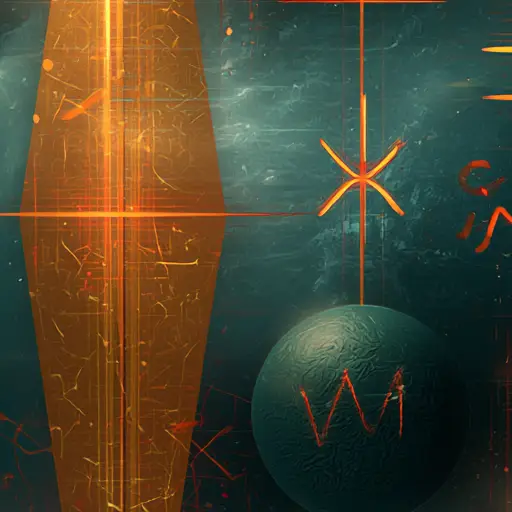
papergami-cubes
tactile-geometry · layout-panel. Folded cube facets; woodcut structure survives edge detection.



library-cozy
archival-vellum · catalog-shelf. Shelf-line is the primitive; amber warm glow is the nucleus.



boonhonk-abstract
comic-voltage · playful-card. Signal-flare is the primitive; teal-amber blast is the wash.


text-tile
typographical-seam · header-mesh. Letterform edges form a quiet tactile wallpaper.