For Authors
Make a page feel like a book someone can touch.
Start with one fragment: a chapter card, a motif, a file tree, a tiny touchable mark. You can read this like a book, or scroll the rooms and work the components. Write at a human pace. The lens you sit stays familiar for this session.
Holds: studio textures, notebook scraps, and handled physical surfaces. First move: explore #>html_css_fragments or see prompt card below.
^fragments: Clean HTML/CSS pieces you can copy, screenshot, and modify one line at a time.
Holds: semantic markup, accessible tags, and responsive container styles. First move: jump to #>fragments_guide or check #>plans.
~svg: Vector motifs, marks, maps, and illustrator handoff systems.
Holds: chapter dividers, margin icons, SVG animations, and reusable sticker packs. First move: visit ^svg_storytelling or ~svg_labs.
@collaboration: A healthy loop pairing authors, illustrators, and developers. A poem can be a depiction prompt.
Holds: partner contracts, asset handoff specs, and screenshot-friendly prompt cards. First move: read &friend_could_help, try ~midjourney_bench, or check @services.
Open a craft lens with [. Sit with ].
Use the hero figure as a rehearsal surface: tap to focus, swipe to change lens, hold to inspect whether the page feels handled. Card grids below use image discovery rewards — worth trying before you prompt a new render in Midjourney.
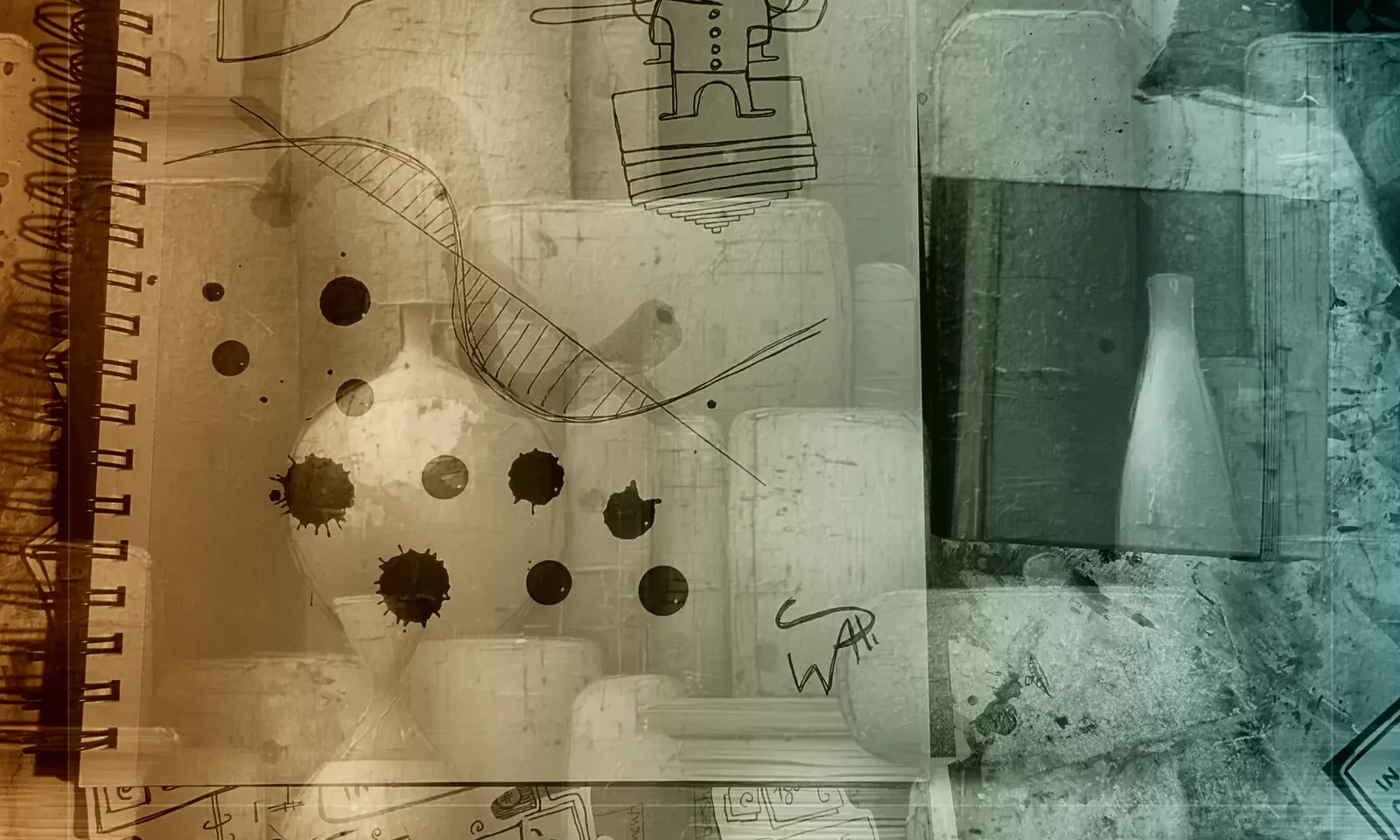
Fragment studio. Books, notebook scraps, and motif material keep the page feeling handled — one card, one file tradition, one touchable surface at a time.
swipe toward fragments or SVG storytelling when you already know which ramp you need. hold to ask whether the surface feels authored before it pretends to be an app.
Pick one recurring object.
- Name the object: key, moth, ribbon, thorn, lake, mirror.
- Choose where it returns: cover, chapter break, margin, map, prompt card.
- Ask what it means when it changes color, scale, or position.
- Choose one material behavior: tarnish, fold, fray, glow, crack, soften, or bloom.
- Attach one true material behavior: clay shrinks as it dries, linen remembers tension, copper patinates, beeswax resists water, seed spacing changes yield.
Three Ramps

A Friend Could Help Here


The useful path is not "make an app." It is: make one page, make one motif repeat, make one file tradition legible, then decide what deserves more craft. Returning learners can use this section as a checkpoint before choosing whether the next move is visual, textual, or structural.
Notebook Loop
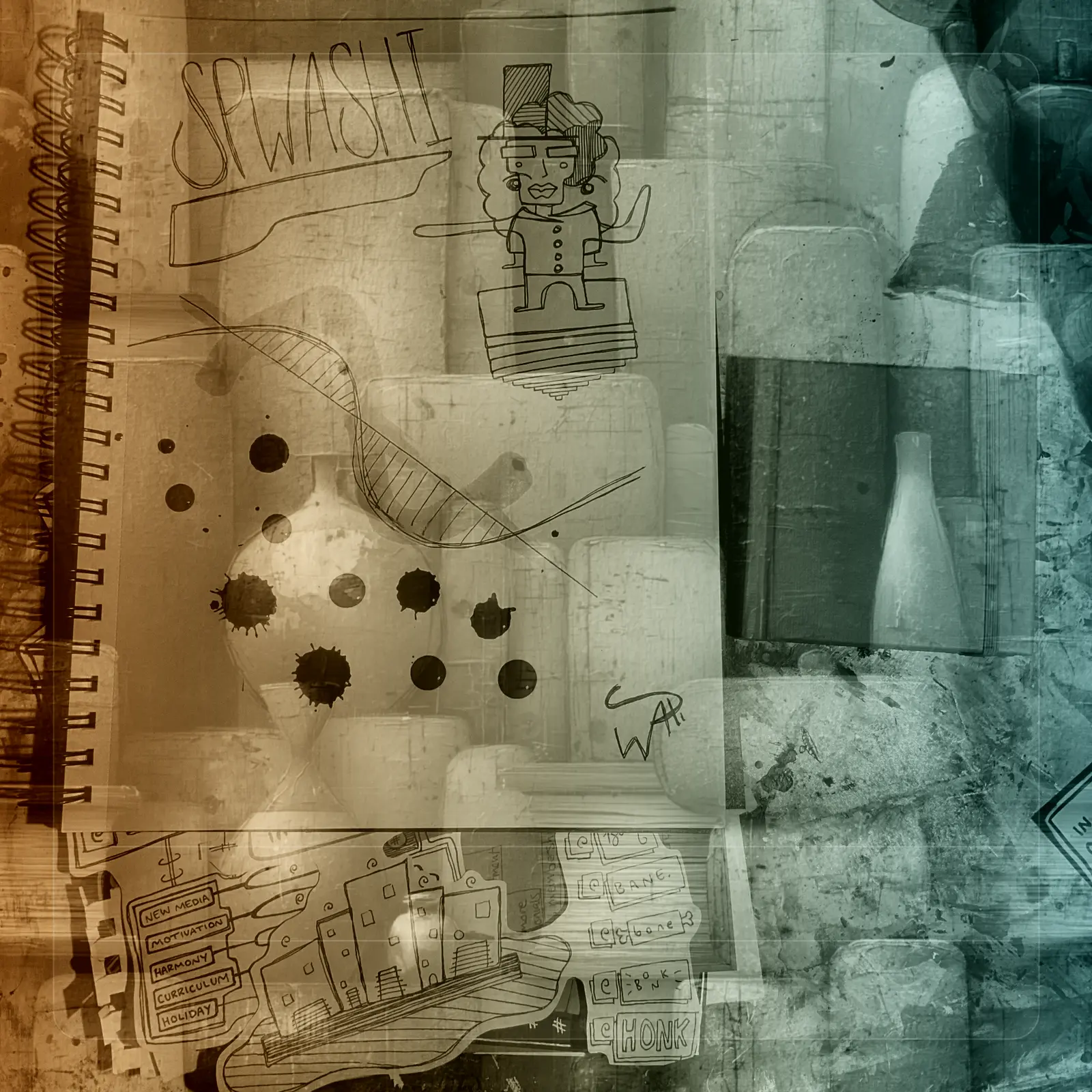
A useful notebook does not need to be polished. It needs to catch charge, mark what returns, and show what deserves promotion into a public surface later. Sensory notes help: texture, temperature, pressure, brightness, residue, and what the object does when handled.
Authors and RPG players can use the same sequence: private residue, clear pressure, recurring motif, then public memory. The difference is only which route receives the promoted note.
Same Questions, Other Rooms
Author craft asks what points elsewhere, what responds, and what differs. The first four rooms ask all three.
Motifs, illustrator handoff, and book-site marks.
Files, folders, and extensions as creative substrate.
Small HTML and CSS fragments for pages as story surfaces.
Long-form storytelling and the ebook surface.
what responds · what points elsewhere. Visual studies laminated season by season.
what responds · what points elsewhere. Where a promoted note becomes a thread.